

In semiotic literature, there is a paradoxical thesis we encounter: if a system of language is not capable of constructing a lie, it cannot construct truth either.
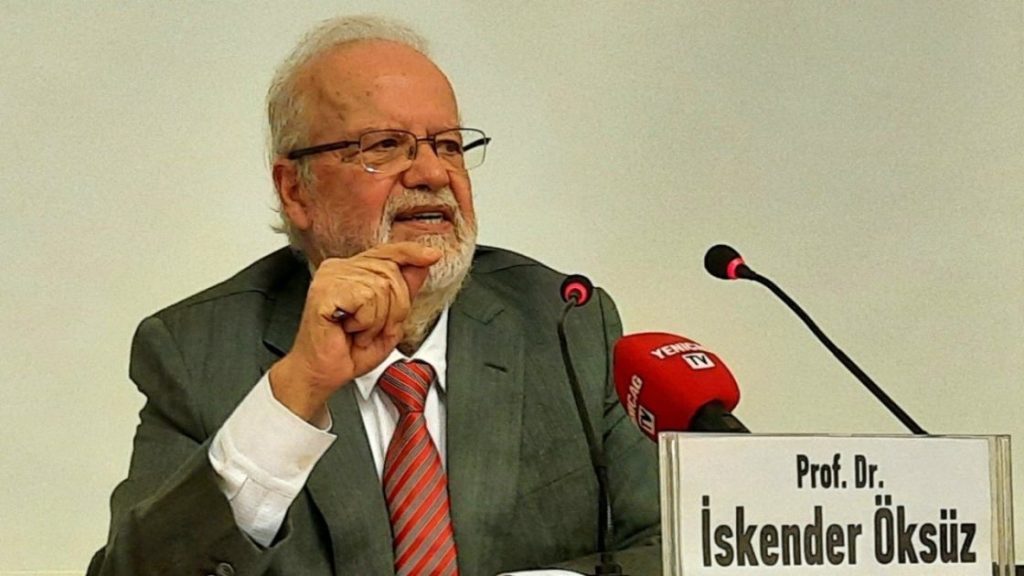
For a school of thought to attain continuity, it must produce a robust body of knowledge concerning truths and values.
![IMG_0740-rkofe8uc64gc1fza29qaqkdmjfk4rcxo963x59mufw[1]](https://www.toplum.org.tr/en/wp-content/uploads/2026/03/IMG_0740-rkofe8uc64gc1fza29qaqkdmjfk4rcxo963x59mufw1-1024x576.jpeg)
The semantic shift that the concepts of “elite” and “elitism” have undergone in public discourse reflects not only political polemics, but also a broader crisis of trust in knowledge, authority, and guidance...
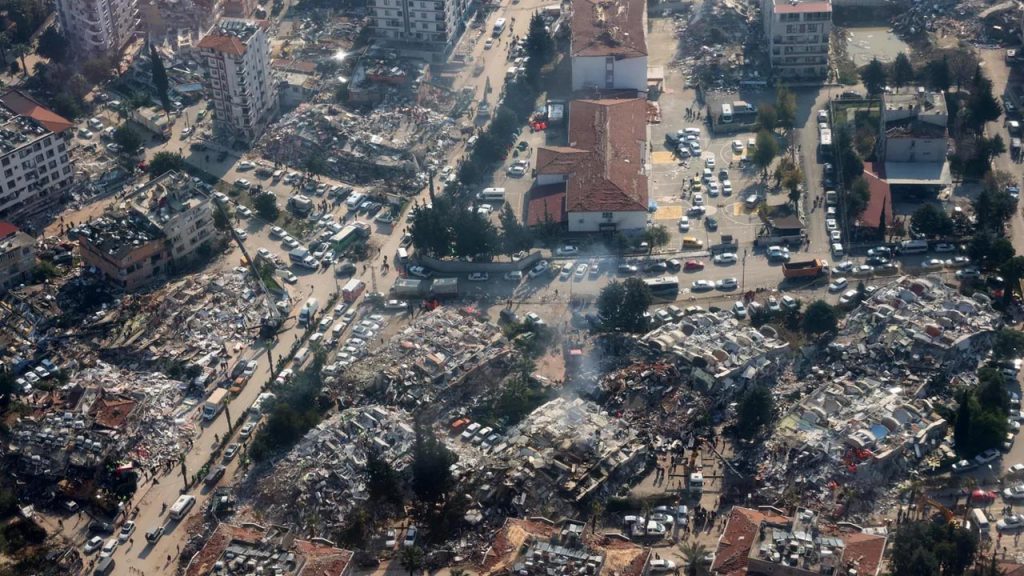
Three years have passed since the February 6 earthquake. This great catastrophe laid bare not only the painful consequences of physical destruction but also a moral, political, and social threshold.
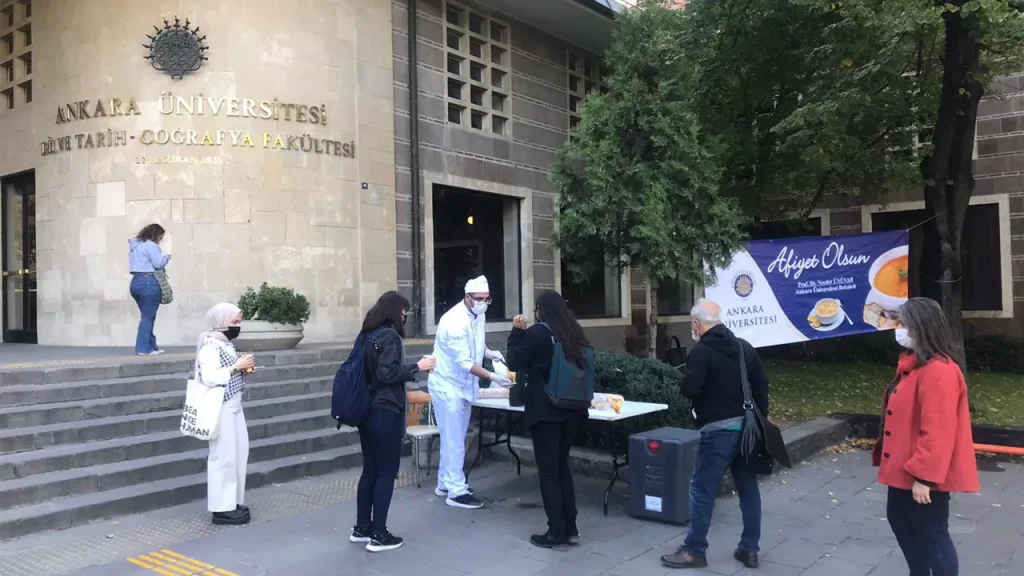
The paradox of “jobless growth” that manifested itself in the Turkish economy following the 2001 financial crisis has functioned as a catalyst for a profound transformation in the higher education sys...
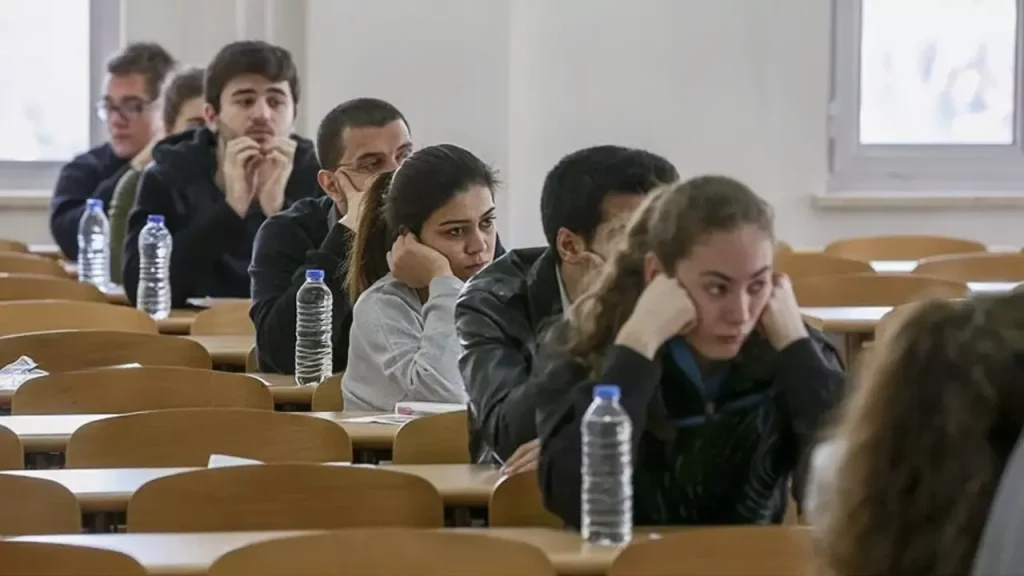
In a written statement issued by the Council of Higher Education (YÖK), data concerning the placement results of the 2025 Higher Education Institutions Examination (2025-YKS) were shared.
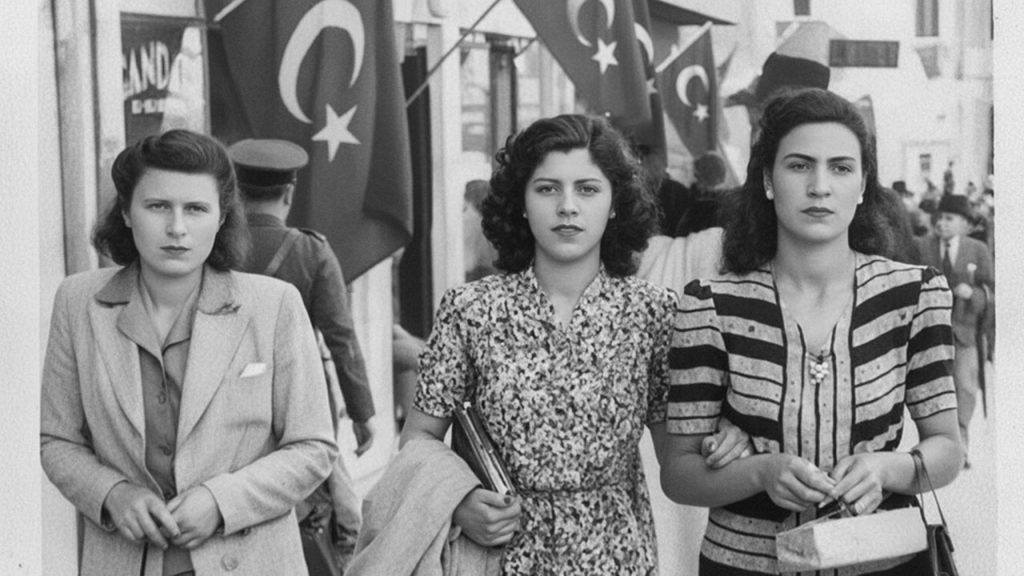
The concept of gender equality continues to provide an indispensable analytical framework for understanding the challenges faced by women in Türkiye.
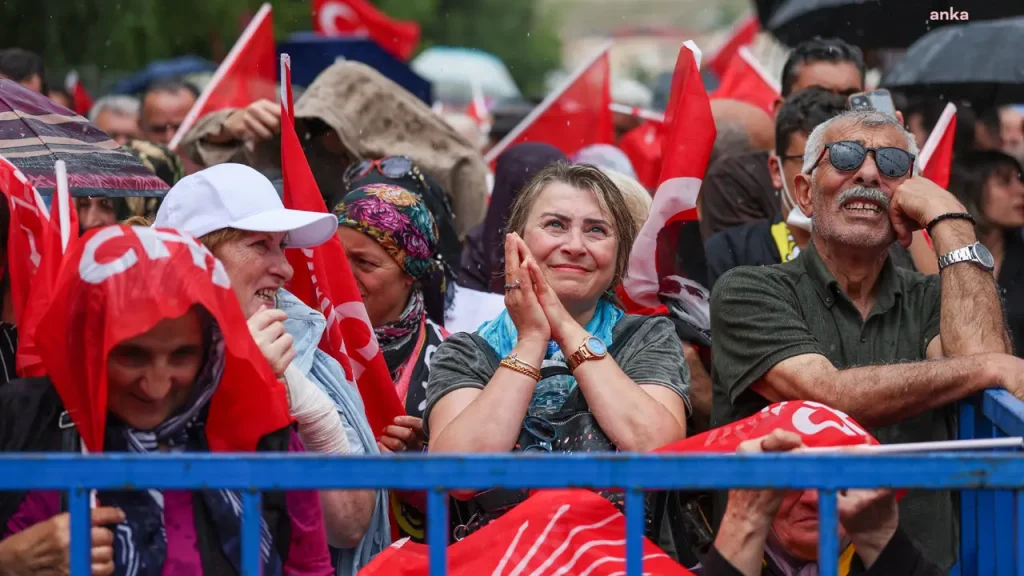
Over time, actions become ordinary, and the more ordinary they become, the less effective they are. That is why, in such processes, taking bold, result-oriented action early on is often the most accurate...
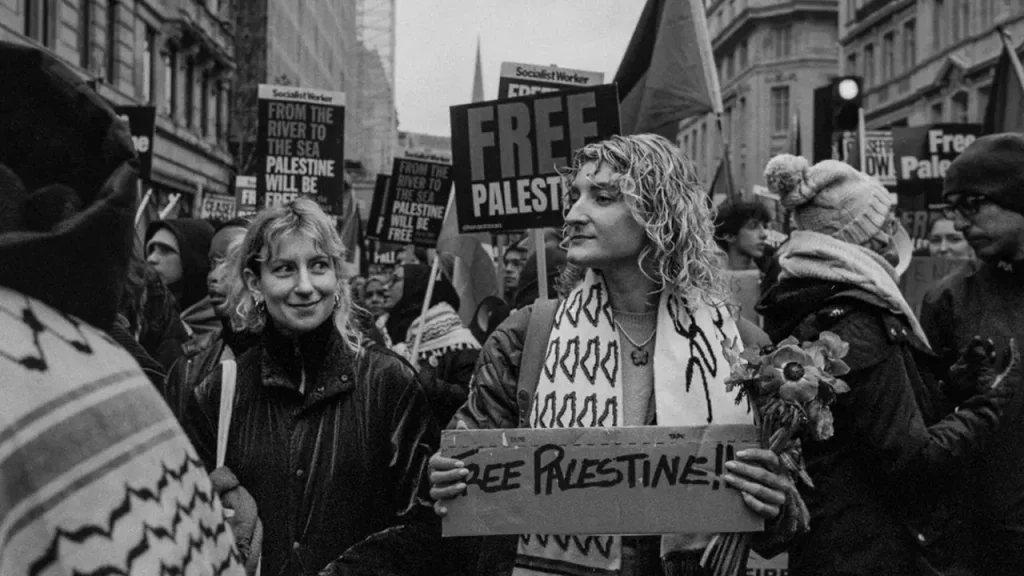
Palestine today is no longer merely a topic of foreign policy or a regional conflict; it has become a litmus test for the moral conscience of our era—an ordeal that measures both individual and collective...
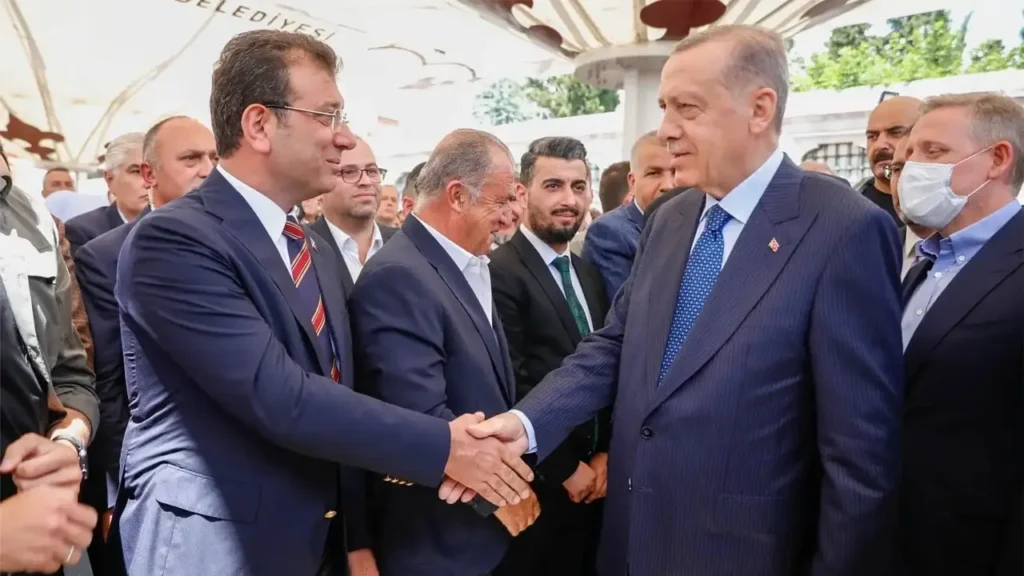
In light of recent political and economic developments, numerous survey studies have come to the fore in the public sphere. These studies indicate that, since the 2023 elections, there have been shifts...